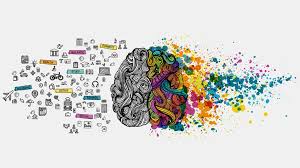
We often hear the phrase “mental health” but many of us don’t truly understand what it means. Mental health is an important aspect of our lives, and it’s important to take care of it. This blog post will explore the journey of discovering mental health and the importance of self-care.
Introduction to Mental Health and Self-Care
Mental health is an often misunderstood and overlooked concept. It covers a wide range of topics, including managing emotions, understanding relationships, and creating a sense of well-being. It is not just about the absence of mental illness, it’s about having a healthy relationship with oneself. It’s about understanding your thoughts and feelings and being able to make healthy decisions.
Self-care is an essential part of mental health. It is the process of taking care of yourself and your mental health. Self-care can include anything from getting enough rest to eating healthy and engaging in activities you find enjoyable.
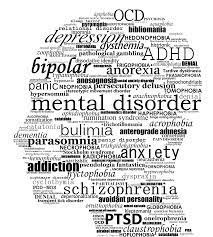
Signs and Symptoms of Mental Illness
Mental illness is a broad term that can include a range of mental health issues. These can range from depression and anxiety to more severe disorders like bipolar disorder and schizophrenia. It is often difficult to identify, but there are some signs and symptoms that you can look out for.
Common signs of mental illness include changes in mood, changes in behavior, difficulty concentrating, changes in sleep patterns, changes in appetite, feelings of hopelessness and helplessness, and difficulty managing stress. If you are experiencing any of these symptoms, it’s important to speak to a healthcare professional.
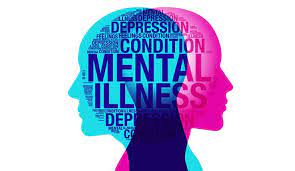
Understanding Mental Health
Understanding mental health is an important step in taking care of your mental health. It’s important to understand the different facets of mental health, including physical, emotional, and psychological health.
Physical health is simply the state of your physical body. This means eating a balanced diet, getting enough sleep, and exercising regularly. Emotional health is about being able to express your emotions and being able to handle difficult situations. Psychological health is about understanding your thoughts and feelings and being able to make healthy decisions.
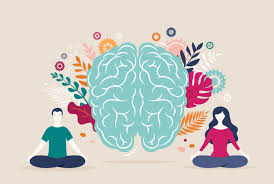
Strategies for Developing Mental Health
Developing and maintaining good mental health can be achieved through various strategies and techniques. Some of these strategies include maintaining a healthy lifestyle, engaging in self-care activities, and seeking professional help if needed.
Maintaining a healthy lifestyle means eating a balanced diet, getting enough sleep, and exercising regularly. Eating a balanced diet can help to boost your mood and give you the energy you need to get through the day. Getting enough sleep and exercise can also help to reduce stress and improve your overall well-being.
Engaging in self-care activities is also important for developing mental health. This could include anything from getting enough rest to engaging in activities you find enjoyable. Self-care activities can help to reduce stress and create a sense of peace and relaxation.
If you are struggling with mental health issues, it’s important to seek professional help. There are a variety of resources available, including online resources, support groups, and mental health professionals. Seeking professional help can help to identify any underlying issues and provide the necessary support.
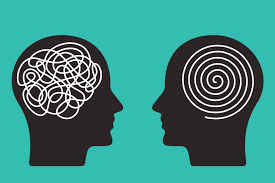
The Importance of Self-Care
Self-care is an essential part of maintaining good mental health. It’s important to take time for yourself and do things that make you feel good. This can include anything from getting enough rest to engaging in activities you find enjoyable. Self-care activities can help to reduce stress and create a sense of peace and relaxation.
It’s also important to be mindful of your thoughts and feelings. Being mindful means being aware of your thoughts and feelings and being able to recognize when something is not quite right. It’s important to take the time to identify any negative thoughts and feelings and address them in a healthy way.
Practicing Self-Care
Practicing self-care is an important part of developing and maintaining good mental health. There are a variety of activities you can do to practice self-care. This could include anything from getting enough rest to engaging in activities you find enjoyable.
Getting enough rest is an important part of self-care. It’s important to get enough sleep each night and take regular breaks throughout the day. Taking regular breaks can help to reduce stress and improve your overall well-being.
Engaging in activities you find enjoyable is also an important part of self-care. This could include anything from playing an instrument to reading a book. Finding activities that make you happy can help to boost your mood and give you a sense of peace and relaxation.
Coping Strategies for Mental Health
Coping strategies are important for managing mental health issues. These can include anything from positive self-talk to mindfulness techniques. It’s important to find the coping strategies that work best for you and practice them regularly.
Positive self-talk is an important coping strategy. It’s important to replace any negative thoughts or feelings with positive ones. This could be anything from telling yourself that you are capable to reminding yourself that you are strong.
Mindfulness techniques can also be helpful for managing mental health issues. It is the practice of being fully present in the moment and accepting your thoughts and feelings without judgement. Mindfulness can help to reduce stress and create a sense of peace and relaxation.
Mental Health Resources
There are a variety of resources available for those struggling with mental health issues. These can include online resources, support groups, and mental health professionals. It’s important to find the resources that work best for you and use them to help manage your mental health.
Online resources can be a great way to access information about mental health and find support. There are a variety of websites and forums that provide information and support for those struggling with mental health issues.
Support groups can also be helpful for managing mental health issues. These groups provide a safe and supportive environment for those struggling with mental health issues. They can provide helpful tips and resources for managing mental health issues.
Mental health professionals are also a great resource for managing mental health issues. These professionals can provide helpful advice and support, as well as provide treatment if needed. It’s important to find a mental health professional you trust and feel comfortable with.
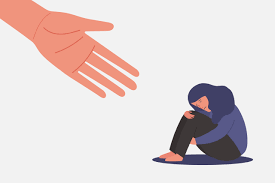
Mental Health Support
Support is an important part of managing mental health issues. It’s important to find a support system that works for you. This could include anything from family and friends to support groups and mental health professionals.
Family and friends can be a great source of support. They can provide a listening ear and offer helpful advice. It’s important to find someone you trust and can talk to about your mental health issues.
Support groups and mental health professionals can also provide valuable support. They can provide helpful advice and resources for managing mental health issues. It’s important to find a support group or mental health professional you trust and feel comfortable with.
Conclusion
Mental health is an important aspect of our lives, and it’s important to take care of it. This blog post explored the journey of discovering mental health and the importance of self-care. We discussed signs and symptoms of mental illness, strategies for developing mental health, and the importance of self-care. We also discussed coping strategies, mental health resources, and mental health support.